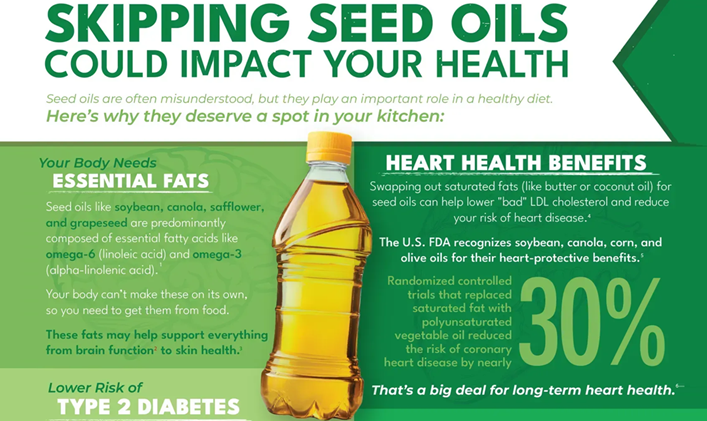

The question “what are seed oils” has become one of the most debated topics in nutrition and health. Some experts consider seed oil a healthy source of unsaturated fats, while others argue that they contribute to inflammation and chronic disease. Social media influencers, nutritionists, researchers, and healthcare professionals often have differing opinions on the subject, making it difficult for consumers to know what to believe.
Seed oil are widely used around the world in processed foods, restaurants, and home kitchens. They are commonly found in salad dressings, chips, baked goods, fried foods, sauces, and countless packaged products. Because they are inexpensive and versatile, seed oil have become a major part of modern diets.
This comprehensive guide explains everything you need to know about seed oil, including what they are, how they are produced, their nutritional profile, benefits, risks, and whether they deserve their controversial reputation.
What Are Seed Oils?
Seed oils are vegetable oils extracted from the seeds of various plants. These oils are commonly used for cooking, baking, frying, and food manufacturing.
Unlike oils derived from fruits such as olives and avocados, seed oil come specifically from seeds. Manufacturers extract the oil through mechanical pressing, chemical extraction, or a combination of both methods.
Some of the most common seed oil include:
- Soybean oil
- Canola oil
- Sunflower oil
- Corn oil
- Cottonseed oil
- Grapeseed oil
- Safflower oil
- Rice bran oil
- Sesame oil
These oils are rich in unsaturated fats and are often promoted as heart-friendly alternatives to animal fats such as butter, lard, and tallow.
Common Types of Seed Oils
| Seed Oil | Source Plant | Primary Fat Type | Common Uses |
|---|---|---|---|
| Soybean Oil | Soybeans | Polyunsaturated Fat | Processed foods, frying |
| Canola Oil | Rapeseed | Monounsaturated Fat | Cooking and baking |
| Sunflower Oil | Sunflower Seeds | Polyunsaturated Fat | Frying and snacks |
| Corn Oil | Corn Germ | Polyunsaturated Fat | Deep frying |
| Cottonseed Oil | Cotton Plant Seeds | Polyunsaturated Fat | Processed foods |
| Grapeseed Oil | Grape Seeds | Polyunsaturated Fat | Salad dressings |
| Safflower Oil | Safflower Seeds | Polyunsaturated Fat | Cooking |
| Sesame Oil | Sesame Seeds | Mixed Unsaturated Fat | Asian cuisine |
How Are Seed Oils Made?
The production process of seed oil typically involves several steps.
1. Seed Cleaning
Manufacturers first clean the seeds to remove dirt, debris, and contaminants.
2. Crushing
The seeds are crushed into smaller particles to increase oil extraction efficiency.
3. Heating
Many producers heat the crushed seeds to improve oil yield.
4. Extraction
Oil can be extracted using:
Mechanical Pressing
This method physically squeezes oil from seeds.
Advantages:
- Less processing
- Retains more natural compounds
- No chemical solvents
Solvent Extraction
Many commercial manufacturers use a solvent called hexane to extract maximum oil.
Advantages:
- Higher oil yield
- Lower production costs
Disadvantages:
- Additional refining required
5. Refining
Refining may include:
- Degumming
- Neutralization
- Bleaching
- Deodorization
These processes improve taste, appearance, and shelf life.
Nutritional Profile of Seed Oils
Most seed oil contain three primary types of fats:
Polyunsaturated Fats (PUFAs)
These include:
- Omega-6 fatty acids
- Omega-3 fatty acids
Monounsaturated Fats (MUFAs)
These fats are often associated with heart health.
Saturated Fats
Most seed oil contain relatively low amounts of saturated fat.
A typical tablespoon of seed oil contains:
| Nutrient | Amount |
| Calories | 120 |
| Fat | 14 g |
| Protein | 0 g |
| Carbohydrates | 0 g |
| Saturated Fat | 1–2 g |
| Monounsaturated Fat | 3–9 g |
| Polyunsaturated Fat | 4–10 g |
Why Are Seed Oils So Popular?
Seed oil became popular during the twentieth century for several reasons.
Affordable Production
Seed oil are cheaper to produce than many animal fats.
Long Shelf Life
Refining helps prevent spoilage.
Neutral Flavor
Most seed oil have mild flavors that work well in various recipes.
High Smoke Points
Many seed oil tolerate high cooking temperatures.
Food Industry Demand
Processed food manufacturers rely heavily on seed oil because they are economical and versatile.
Understanding Omega-6 Fatty Acids
One of the primary reasons seed oil are controversial is their omega-6 content.
Omega-6 fatty acids are essential fats, meaning the body cannot produce them independently.
Benefits include:
- Brain function support
- Cell growth
- Skin health
- Immune function
However, excessive omega-6 consumption without adequate omega-3 intake may create an imbalance in the diet.
Health Benefits of Seed Oils
Despite criticism, seed oil offer several potential health benefits.
1. Support Heart Health
Replacing saturated fats with unsaturated fats may help improve cholesterol levels.
Studies suggest unsaturated fats can:
- Reduce LDL cholesterol
- Improve cardiovascular markers
- Support arterial health
2. Provide Essential Fatty Acids
The body requires essential fatty acids for:
- Hormone production
- Brain development
- Cell membrane structure
3. Rich in Vitamin E
Many seed oil contain vitamin E, an antioxidant that protects cells from oxidative damage.
4. Improve Cholesterol Profiles
Certain seed oil may contribute to healthier cholesterol ratios when used in place of saturated fats.
Are Seed Oils Bad for You?
This question fuels much of today’s nutrition debate.
The answer is not straightforward.
Current scientific evidence does not conclusively show that moderate consumption of seed oil directly causes disease in healthy individuals.
However, concerns exist regarding:
- Excessive consumption
- Over-processed foods
- Oxidized oils
- Imbalanced omega-6 intake
The context of the overall diet matters significantly.
The Seed Oil Controversy
The controversy surrounding seed oil generally focuses on several arguments.
Concern 1: Excess Omega-6 Intake
Modern diets often contain far more omega-6 than omega-3 fatty acids.
Some researchers believe this imbalance may contribute to chronic inflammation.
Concern 2: Highly Processed Production
Critics argue that industrial refining changes the natural structure of oils.
Concern 3: Oxidation
Polyunsaturated fats are vulnerable to oxidation.
When repeatedly heated, these oils may produce harmful compounds.
Concern 4: Association With Processed Foods
Many unhealthy foods contain seed oil.
However, it is often difficult to determine whether the negative health effects come from the oil itself or the highly processed food containing it.
Seed Oils and Inflammation
Inflammation is one of the most discussed topics in seed oil debates.
Some people claim seed oil directly cause inflammation.
Research findings remain mixed.
Current evidence suggests:
- Moderate consumption does not necessarily increase inflammation markers.
- Overall dietary patterns matter more.
- Excessive intake of ultra-processed foods may contribute to inflammatory conditions.
Therefore, seed oil alone may not be the sole culprit.
Seed Oils vs Olive Oil
Many consumers compare seed oil with olive oil.
| Feature | Seed Oils | Olive Oil |
| Source | Seeds | Olives |
| Processing | Often refined | Often minimally processed |
| Omega-6 Content | Higher | Lower |
| Antioxidants | Moderate | High |
| Flavor | Neutral | Distinct |
| Mediterranean Diet Use | Limited | Extensive |
Olive oil generally receives stronger support from nutrition research, especially extra virgin olive oil.
Seed Oils vs Animal Fats
| Feature | Seed Oils | Animal Fats |
| Saturated Fat | Lower | Higher |
| Cholesterol | None | Present |
| Polyunsaturated Fat | Higher | Lower |
| Heart Health Evidence | Generally favorable | Mixed |
Health organizations often recommend replacing excessive saturated fat with unsaturated fats from plant oils.
Which Seed Oils Are Healthiest?
Not all seed oil are identical.
Some commonly considered healthier options include:
Canola Oil
Benefits:
- Lower saturated fat
- Contains omega-3 fats
- Mild flavor
Sesame Oil
Benefits:
- Rich flavor
- Contains antioxidants
High-Oleic Sunflower Oil
Benefits:
- Higher monounsaturated fats
- Better heat stability
Which Seed Oils Should Be Limited?
While moderation is important, consumers often choose to limit:
- Highly refined oils
- Repeatedly heated frying oils
- Oils in heavily processed foods
The concern is often less about the oil itself and more about its food source.
Seed Oils in Processed Foods
Seed oil appear in many products:
- Potato chips
- Crackers
- Cookies
- Fast food
- Frozen meals
- Salad dressings
- Margarine
- Snack foods
Because these foods are often high in calories, sodium, and sugar, consumers may mistakenly attribute all health concerns solely to seed oil.
Cooking With Seed Oils
Different oils have different smoke points.
| Oil | Smoke Point |
| Canola Oil | 400°F |
| Sunflower Oil | 440°F |
| Corn Oil | 450°F |
| Soybean Oil | 450°F |
| Sesame Oil | 410°F |
Higher smoke points make many seed oil suitable for frying and roasting.
Tips for Using Seed Oils Safely
Follow these practical guidelines:
- Avoid overheating oils.
- Do not repeatedly reuse frying oil.
- Store oils away from light and heat.
- Balance omega-6 intake with omega-3-rich foods.
- Focus on whole foods rather than processed foods.
Foods Rich in Omega-3 to Balance Seed Oil Intake
Consider adding:
- Salmon
- Sardines
- Mackerel
- Chia seeds
- Flaxseeds
- Walnuts
Balancing omega-3 and omega-6 intake may support overall health.
What Nutrition Experts Say About Seed Oils
Many nutrition experts agree on several points:
- Seed oil are not inherently toxic.
- Replacing saturated fats with unsaturated fats may benefit heart health.
- Whole dietary patterns matter more than individual ingredients.
- Ultra-processed foods should generally be limited.
The debate continues, but most mainstream health organizations do not recommend completely eliminating seed oil.
Should You Avoid Seed Oils Completely?
For most healthy individuals, complete avoidance is unnecessary.
Instead, focus on:
- Eating more whole foods
- Increasing omega-3 intake
- Choosing minimally processed foods
- Using a variety of healthy fats
Moderation remains the key principle.
Conclusion
Understanding what are seed oil helps consumers make informed dietary decisions. Seed oil are vegetable oils extracted from seeds such as soybeans, sunflower seeds, corn, safflower, and canola. They provide essential fatty acids, vitamin E, and unsaturated fats that may support heart health when used appropriately.
While concerns regarding omega-6 fatty acids, processing methods, and oxidation have generated significant debate, current scientific evidence does not support the idea that seed oil are universally harmful. The overall quality of the diet, cooking practices, and balance of nutrients appear to play a much larger role in long-term health outcomes.
Rather than focusing solely on eliminating seed oil, consumers may benefit more from reducing ultra-processed foods, increasing omega-3-rich foods, and maintaining a balanced eating pattern that includes a variety of healthy fat sources.
(FAQs)
What are seed oil?
Seed oil are vegetable oils extracted from seeds such as soybean, sunflower, canola, safflower, corn, sesame, and cottonseed.
Are seed oil unhealthy?
Current evidence suggests moderate consumption of seed oil is generally safe for most people when consumed as part of a balanced diet.
Why are seed oil controversial?
The controversy centers around omega-6 fatty acids, industrial processing methods, oxidation concerns, and their prevalence in ultra-processed foods.
Which seed oil are most common?
Soybean oil, canola oil, sunflower oil, corn oil, safflower oil, and cottonseed oil are among the most widely used seed oil.
Do seed oil cause inflammation?
Research is mixed, but moderate consumption does not consistently show increased inflammation in healthy individuals.
Is olive oil better than seed oil?
Extra virgin olive oil is often considered one of the healthiest oils due to its antioxidants and strong evidence supporting heart health.
Can I cook with seed oil?
Yes. Many seed oil have high smoke points, making them suitable for frying, roasting, and baking.
Should I stop eating seed oil completely?
Most nutrition experts do not recommend complete avoidance. Instead, focus on overall diet quality and moderation.
Which foods contain seed oil?
Many processed foods, fast foods, snacks, salad dressings, baked goods, and fried foods contain seed oil.
What is the healthiest approach to consuming fats?
A balanced diet that includes olive oil, nuts, seeds, fish, avocados, and moderate amounts of seed oil is generally considered healthy.